Diabetes and Kidney-Related Complications (Diabetic Kidney Disease)
Diabetes is one of the leading causes of Chronic Kidney Disease (CKD) in India.

Overview
Diabetes is one of the leading causes of Chronic Kidney Disease (CKD) in India. High blood sugar levels over time damage the kidneys’ filtering units, causing protein leakage, high creatinine levels, and reduced kidney function.
Dr. Srinayan Katari offers specialized care for diabetic patients to prevent progression to kidney failure through early monitoring, accurate diagnosis, and individualized treatment plans.
Symptoms of Diabetic Kidney Disease
Early stages may have no symptoms. Advanced stages show:
- Frequent urination
- Swelling in feet, legs, or face
- Fatigue and weakness
- Foamy urine (protein leakage)
- High blood pressure
- Increased creatinine levels
- Uncontrolled blood sugar
Major Causes
- Poorly controlled diabetes
- Long-term high blood sugar
- Hypertension
- Obesity
- High cholesterol
- Smoking
- Family history of kidney disease
Diagnosis & Evaluations
Dr. Srinayan performs comprehensive testing to detect kidney damage early:
- HbA1c (3-month blood sugar control)
- Urine albumin/protein test
- Creatinine & eGFR
- Kidney ultrasound
- Lipid profile
- Electrolyte levels
- Eye & nerve examination (if required)
Treatment Approach
- Tight control of blood sugar
- BP management for kidney protection
- Medications to slow kidney damage (ACE-I/ARB)
- Kidney-friendly dietary plan
- Weight management & lifestyle changes
- Monitoring of creatinine and urine protein
- Treating infections, dehydration, or complications
- Avoiding kidney-harming medicines
When to Seek Medical Help
- Persistent high HbA1c levels
- Foamy or bubbly urine
- Swelling or puffiness
- Frequent urination at night
- Sudden increase in creatinine or BP
- Repeated urinary infections
FAQs
- How does diabetes affect the kidneys?
High blood sugar damages kidney filters, causing protein leakage and kidney function decline. - Can diabetic kidney disease be reversed?
Early stages can be stabilized or improved with proper treatment. Advanced stages require long-term care. - What level of creatinine is dangerous for diabetic patients?
Anything above the normal range may indicate kidney involvement and needs evaluation. - How can diabetes-related kidney damage be prevented?
Good sugar control, BP management, healthy diet, and regular checkups. - Do all diabetic patients develop kidney disease?
No. With proper care and monitoring, kidney complications can often be prevented.
More Services
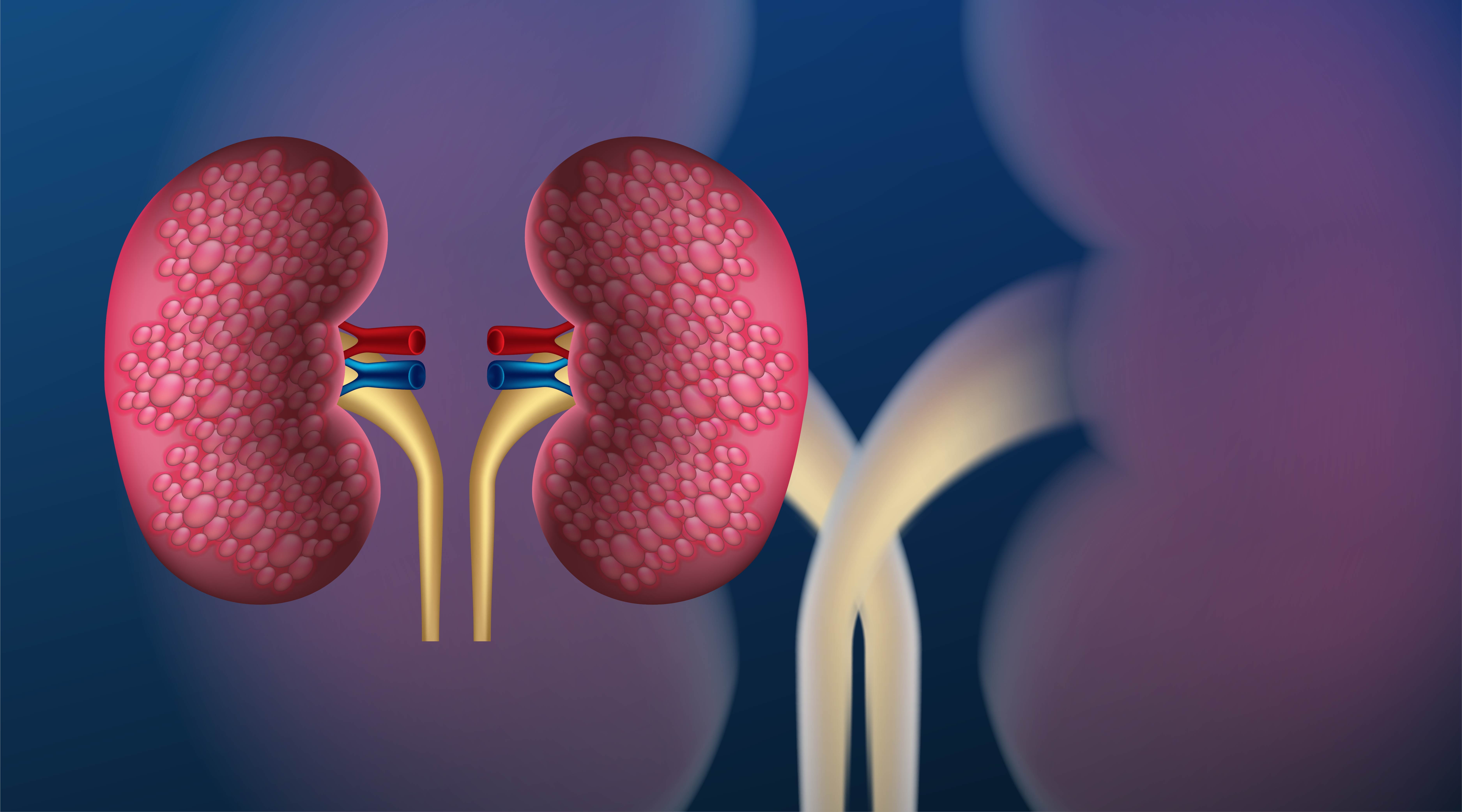
Kidney Function Disorders and Creatinine Management
Increased Creatinine / Urea / Uric Acid, Acute & Chronic Kidney Diseases.
Read more
Hypertension and Blood Pressure Disorders
Hypertension (High Blood Pressure) is one of the leading causes of long-term kidney damage.
Read more
Urinary Tract Infections (UTIs)
Urinary Tract Infections occur when bacteria infect any part of the urinary system.
Read more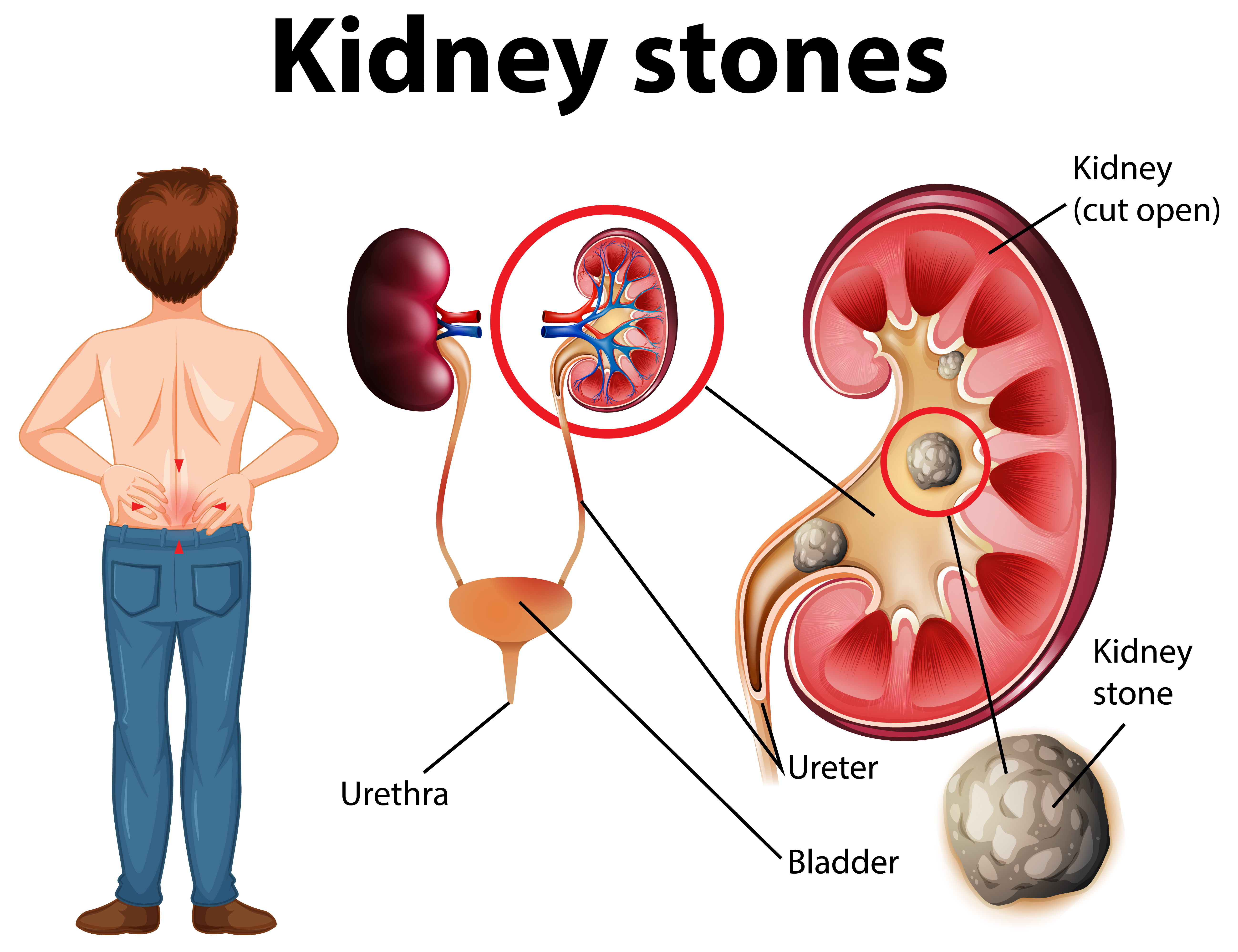

Fever and General Illness
Fever can be a sign of infection, dehydration, kidney issues, or systemic illness.
Read more
Thyroid Disorders
Thyroid disorders affect metabolism, weight, heart rate, and overall energy.
Read more
Preventative Health Care
Preventive medicine focuses on early detection and prevention of diseases.
Read more
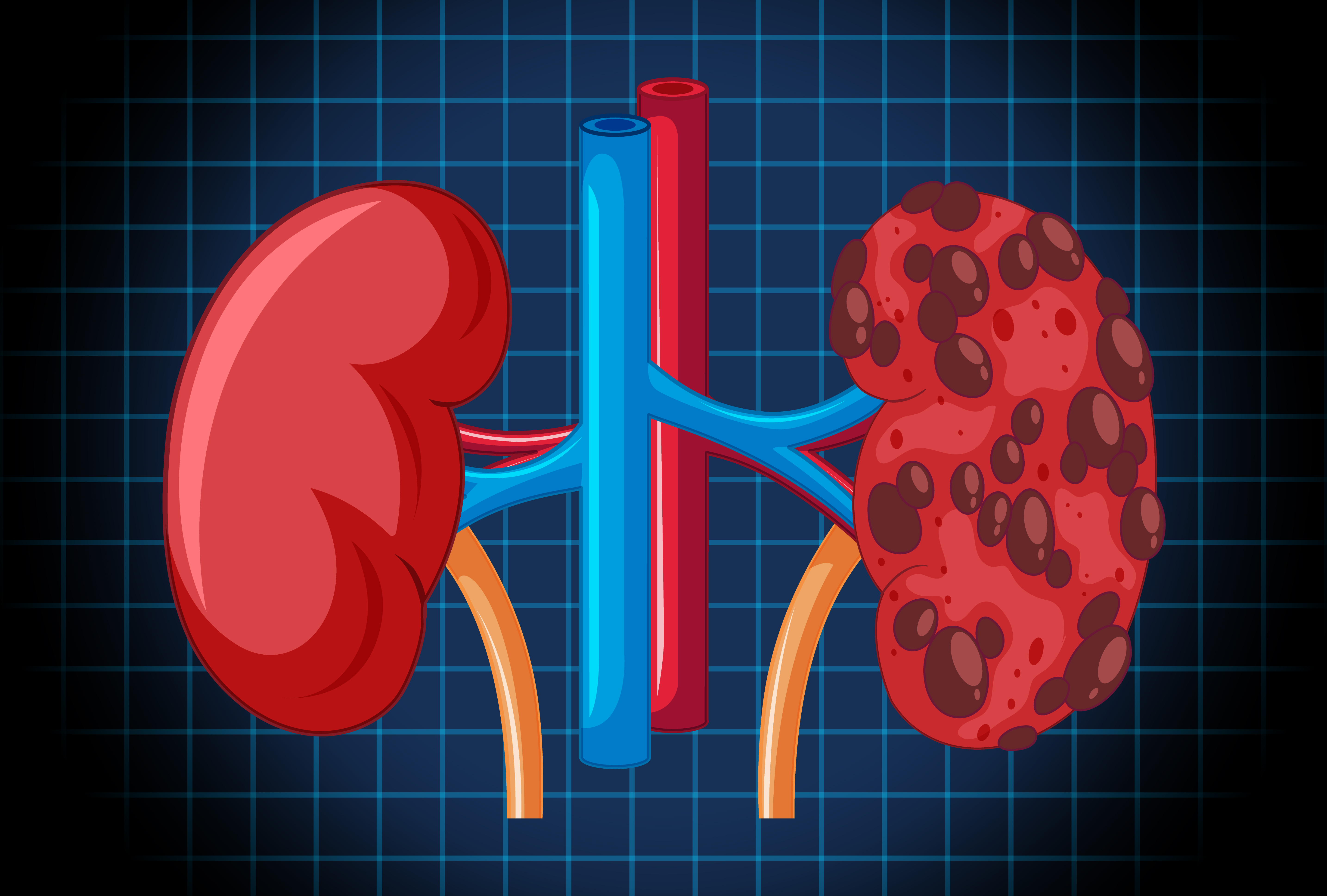
Glomerular Diseases (Blood/Protein in Urine)
Glomerular diseases affect kidney filters, causing protein or blood leakage.
Read more
Electrolyte Imbalances
Electrolytes like sodium, potassium, and calcium regulate heart, nerves, and kidney function.
Read more
Dialysis Management
Dr. Srinayan provides complete dialysis care — both hemodialysis and peritoneal dialysis.
Read more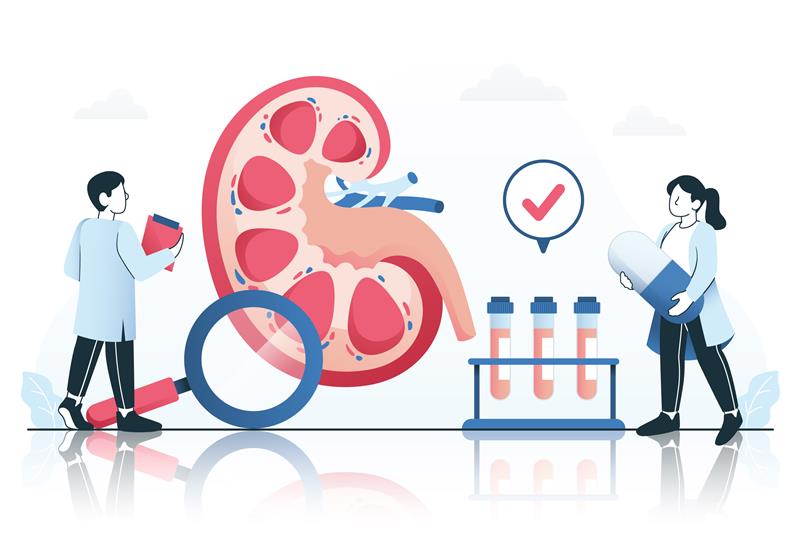
Renal Transplantation
Dr. Srinayan is an experienced Renal Transplant Physician providing pre-transplant evaluation.
Read more